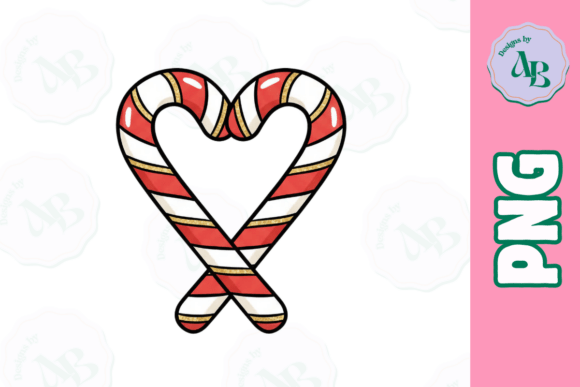
Christmas Candy Cane Hand-Drawn Frame: Illustrations for Branding
As a brand designer who has spent years helping local businesses transition from amateur visuals to professional market-ready identities, I approach every new graphic design asset with a critical eye. We are not just looking for something "pretty"; we are looking for utility, versatility, and emotional resonance that drives sales. Today, I am reviewing the Christmas Candy Cane Hand-Drawn Frame, an illustration asset that promises to bring festive charm to commercial projects. After testing this asset across various mockups for a hypothetical local boutique bakery, here is my honest evaluation of its potential for real-world small business branding.
The First Impression: Mood and Personality
When you first open the file for the Christmas Candy Cane Hand-Drawn Frame, the immediate takeaway is warmth. Unlike rigid, vector-heavy clipart that feels sterile or corporate, this hand-drawn style evokes a sense of craftsmanship and care. It suggests a brand personality that is friendly, organic, and perhaps a bit rustic or feminine depending on the specific line weights used in the stroke.
For a local business owner—whether you run a handmade soap shop, a family-owned confectionery, or a cozy coffee roastery—this asset signals authenticity. It does not scream "mass-produced." Instead, it whispers "made with love." This is crucial for modern consumers who are increasingly drawn to brands that feel personal and artisanal. The frame itself acts as a decorative border that softens the overall visual hierarchy, making it an excellent candidate for packaging accents, thank-you cards, and social media graphics where you want to create an emotional connection before the customer even reads your product name.
Real-World Application: From Shelf to Screen
In my recent project for a local holiday pop-up shop, I needed versatile assets that could bridge the gap between physical packaging and digital marketing. Here is how the Christmas Candy Cane Hand-Drawn Frame performed in practical scenarios:
- Packaging Design and Product Labels: This is where the asset truly shines. When applied to jar labels for holiday spice blends or box inserts for gift sets, the frame provides a natural boundary that contains text without feeling restrictive. It adds a layer of premium polish to what might otherwise be plain cardboard or clear plastic. For small business branding, this level of detail elevates the perceived value of the product.
- Hang Tags and Stickers: Small businesses often rely on hang tags to convey brand story at the point of sale. Using this frame as a background element allows you to place your logo and price centrally while maintaining a festive theme. It works exceptionally well as a sticker design for sealing envelopes or wrapping paper, adding a tactile and visual delight to the unboxing experience.
- Social Media Graphics and Marketing Visuals: In the crowded feed of Instagram or Pinterest, static images need to stop the scroll. The high contrast and distinct shape of the candy cane frame help create a recognizable visual pattern for your brand. Whether used in Canva templates for weekly promotions or as overlays for product photography, it helps maintain consistent brand identity across all channels.
- Editorial Design and Web Design: For websites featuring seasonal campaigns, this asset can serve as a hero graphic or a decorative divider. It breaks up text blocks effectively, guiding the user’s eye toward call-to-action buttons. It also fits seamlessly into email newsletters, reinforcing the holiday spirit in your direct marketing efforts.
Where It Fits Best in Your Visual Strategy
To maximize the return on investment for this design asset, consider these strategic placements:
- Seasonal Packaging: Use it as a primary decorative element on limited-edition holiday boxes or bags.
- Product Mockups: Overlay the frame onto digital mockups of mugs, candles, or cookies to create stunning promotional ads without needing expensive photoshoots.
- Boutique Visuals: If you have a physical storefront, use large-scale prints of this frame for window displays or interior signage to draw foot traffic.
- Printable Inserts: Include it in your shipping packages as a discount card holder or a "thank you" note border, encouraging repeat purchases.
Cautionary Notes: Where to Use Carefully
No single asset is a silver bullet. As an experienced designer, I must warn you against misusing the Christmas Candy Cane Hand-Drawn Frame in contexts where clarity is paramount. Avoid using it for formal corporate branding where a sleek, minimalist aesthetic is required. Furthermore, exercise caution when placing it on very small labels; if the details of the hand-drawn strokes are too fine, they may blur during printing, resulting in a muddy appearance.
Do not use this asset in crowded product packaging layouts where it might compete with essential legal information, ingredient lists, or nutritional facts. The frame should enhance the design, not obscure critical data. Additionally, be mindful of low-contrast backgrounds. If your brand colors are too similar to the line art of the frame, the decorative element will disappear, wasting the effort you put into the layout.
Practical Designer’s Checklist
Before committing to this asset for your client work or business branding, run through this practical checklist:
- Test on Real Mockups: Never judge a design asset solely on a white background. Apply it to realistic product mockups to see how it interacts with shadows, textures, and lighting.
- Check Black and White Usage: Ensure the frame remains legible when converted to grayscale, as some printing processes require monochrome files.
- Preview on Small Sizes: Zoom out to 10% scale. If the candy cane details become indistinguishable, the asset may not be suitable for social media avatars or favicon use.
- Test with Brand Colors: Experiment with different color palettes. Does the frame look harmonious with your existing brand palette, or does it clash? Adjusting the hue can help it integrate more naturally.
- Review File Format: Confirm whether you have access to SVG design files for scalability or PNG design files with transparency. Vector formats are preferable for print, while PNGs are easier for quick digital edits.
- Font Pairing: Test the frame alongside serif fonts for elegance, sans serif fonts for modernity, script fonts for a handwritten feel, and display fonts for bold impact. The right typography can make or break the composition.
- Commercial Licensing: Most importantly, verify that you have a valid commercial license. Using this illustration for physical product sales, merchandise, or client deliverables requires proper rights. Do not risk legal issues by assuming personal use permissions apply to commercial design projects.
In conclusion, the Christmas Candy Cane Hand-Drawn Frame is a valuable addition to any creative entrepreneur's toolkit. It offers the perfect blend of festive cheer and professional polish, capable of supporting everything from humble product labels to grand seasonal campaign visuals. By using it strategically and respecting its limitations, you can significantly enhance your small business branding, improve customer trust, and create memorable marketing visuals that stand out in a competitive marketplace.