Cute Christmas Gingerbread Clipart: Seasonal Illustrations for Local Brands
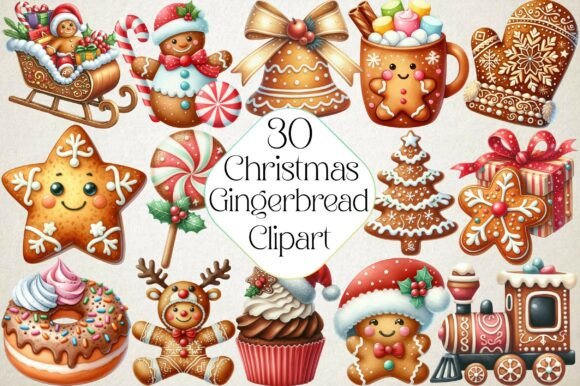
As a brand designer who spends half my week color-matching Pantone swatches and the other half arguing with printers about bleed margins, I don’t just look at assets; I evaluate their utility. When a local business owner asks me to review a graphic design asset before committing it to their product line, they aren’t looking for pretty pictures. They are looking for a strategic tool that will survive the transition from screen to shelf. This is exactly why I approached the Cute Christmas Gingerbread Clipart with a critical eye. The goal here isn't just decoration; it is about building a cohesive brand identity that resonates with customers during the high-stakes holiday season.
My current project involves a boutique bakery in downtown that wants to launch a limited-edition gingerbread cookie kit. They need visuals that feel handmade, warm, and inviting, but also professional enough to justify a premium price point. After reviewing this specific illustration set, I have formed a clear opinion on where it fits, how it performs, and what pitfalls to avoid when integrating it into your small business branding.
First Impressions: Mood and Brand Personality
The immediate takeaway from these Illustrations is their approachability. In a market saturated with sleek, minimalist winter designs or overly complex traditional patterns, this clipart strikes a balance between playful and polished. The lines are soft, suggesting a hand-drawn aesthetic that aligns perfectly with the "handmade" narrative that today’s consumer craves. It feels organic rather than corporate.
This visual language suggests a brand personality that is friendly, festive, and trustworthy. It does not scream luxury or exclusivity; instead, it whispers comfort and nostalgia. For a local coffee shop introducing a seasonal latte or a skincare brand launching a holiday gift set, this mood is ideal. It creates an emotional connection before the customer even reads the product name. However, if you are running a high-end, modern design studio targeting a minimalist audience, this style might feel too decorative. It is best suited for businesses that want to appear accessible and community-focused.
Real-World Application: From Label to Social Feed
The true test of any design asset is its versatility across different touchpoints. In our bakery project, we are using these graphics to create a unified experience. Here is how the asset performs in practical scenarios:
- Product Labels and Packaging Design: The resolution and vector quality (assuming SVG availability) allow for crisp printing on small jars of hot cocoa mix or boxes of cookies. The cute aesthetic adds character to otherwise plain packaging, turning a simple box into a memorable unboxing experience.
- Promotional Materials: These illustrations work beautifully as hero graphics for flyers, posters, and menu boards. Because the design elements are distinct, they hold up well even when scaled down for price lists or table tents.
- Social Media Graphics: For social media managers, these assets save hours of creation time. You can easily overlay text for announcements like "Pre-orders Open" or "Holiday Special." They provide instant visual hierarchy, drawing the eye to the offer without overwhelming the message.
- Printable Inserts and Thank-You Cards: Adding a printed card with these illustrations inside your packaging elevates the perceived value. It shows attention to detail, which improves customer trust and encourages repeat purchases.
When used correctly, these visuals support stronger first impressions and better product recognition. They transform a generic item into part of a curated marketing visuals strategy.
Where the Asset Shines
I recommend placing these graphics in areas where emotion drives the decision. They excel as decorative brand elements on hang tags, where space is limited but impact needs to be high. They are also perfect for seasonal packaging accents, such as wrapping paper designs or sticker seals. In the context of a product mockup, these illustrations add a layer of depth that makes digital presentations look tangible and ready for retail.
Areas Requiring Caution
No asset is universal, and there are specific contexts where this clipart should be used carefully. Avoid placing these illustrations in formal corporate branding environments where professionalism is defined by restraint. Similarly, do not use them in very small labels where the details may become muddy or indistinguishable. If your layout is already crowded with ingredient-heavy information or legal disclaimers, adding decorative clipart can disrupt the visual hierarchy, making your product harder to read.
Furthermore, be mindful of low-contrast backgrounds. Cute, pastel, or light-colored gingerbread designs can get lost on white or cream packaging unless you add a strong outline or shadow. Finally, if your brand leans towards luxury minimalist aesthetics, this playful style may clash with your core identity. It competes with important text if not given enough negative space, so ensure your layout breathes.
Practical Designer Notes for Implementation
Before you download and deploy these clipart files, follow this checklist to ensure they integrate seamlessly into your workflow:
- Test on Real Mockups: Do not judge the asset solely on a white background. Place it on your actual packaging material, whether it is kraft paper, glossy cardstock, or clear plastic. How does it interact with the texture?
- Check Black and White Usage: Ensure the design holds up in monochrome. This is crucial for cost-effective printing options or embossed labels.
- Preview on Small Scales: Zoom out. Can you still recognize the gingerbread figure when it is the size of a postage stamp? If not, simplify the usage.
- Color Compatibility: Test the asset against your existing brand colors. Does it complement your palette, or does it introduce a hue that clashes? You may need to adjust the saturation slightly to match your professional branding guidelines.
- Typography Pairing: Experiment with font styles. These illustrations pair well with handwritten fonts for a personal touch, or bold sans-serif fonts for a modern twist. Avoid pairing them with overly ornate serif fonts, as the competition for attention may confuse the viewer.
- Format Verification: Confirm if you have access to SVG design files for scalability or PNG design files for quick drag-and-drop editing in tools like Canva template editors. Vector files are essential for large-format prints like banners.
- Licensing Confirmation: Most importantly, verify the commercial license. Ensure you are permitted to use these illustrations for physical product sales, digital products, and client work. A standard creative marketplace license often covers personal use, but commercial design requires explicit permission.
Final Verdict
The Cute Christmas Gingerbread Clipart is a robust, versatile addition to any designer’s toolkit, particularly for those serving the local business and handmade sectors. It offers the right blend of charm and clarity to enhance packaging design and web design projects alike. By treating it as a strategic component of your visual hierarchy rather than just a filler image, you can elevate your brand presentation significantly. Whether you are designing for a florist, a candle brand, or a food label, these assets provide a festive foundation that customers respond to emotionally. Just remember to test rigorously, respect your layout’s space, and always confirm your rights to use them commercially. When done right, this simple illustration can become the signature element of your most successful seasonal campaign.