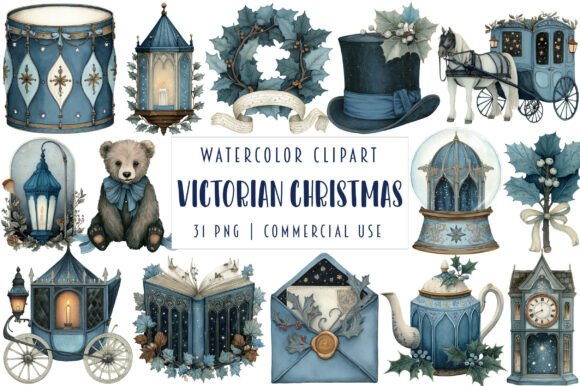
Vintage Charm: Victorian Christmas Clipart Review
As a designer who spends more time than I care to admit staring at stitch density charts and fabric swatches, I approach every new machine embroidery design with a healthy dose of skepticism. The market is flooded with generic clip art that looks fine on a screen but falls apart under the needle. However, when I first pulled up the Victorian Christmas Clipart set from the Illustrations category, I paused. This isn’t just another holiday graphic; it has a specific weight and history in its lines that suggests it was built for texture, not just flat color.
I decided to put this design through its paces, imagining it as part of a real-world project rather than just a digital asset. My goal was to determine if this embroidery file holds up to the rigors of small business production, particularly for Etsy sellers and craft fair vendors looking to create high-value, handmade products. Here is my practical breakdown of how this design performs in the hoop.
The Mood and Visual Personality
The immediate impression of the Victorian Christmas Clipart is one of refined nostalgia. Unlike the bright, cartoonish Santa motifs that dominate January clearance racks, this design leans into elegance. It feels suited for the "grandmother’s attic" aesthetic—think lace doilies, heavy velvet ribbons, and ornate brass candlesticks. For an embroidery project, this translates to a design that relies heavily on clean lines and sophisticated negative space.
Visually, the shapes are distinct enough to read clearly even when stitched in tight detail. The layout avoids clutter, which is crucial for maintaining stitching clarity. When you look at the preview, you can already see where the satin stitch would define the borders and where the fill stitch might be used for shading. It doesn’t scream for attention; instead, it invites the viewer to lean in closer. This subtlety is exactly what drives higher perceived value in custom apparel and boutique items. Customers aren’t just buying a Christmas shirt; they are buying a piece of vintage-inspired decor they can wear.
Real-World Application: From Screen to Stitch
To truly test this digital embroidery file, I visualized it applied to several common product categories. The versatility here is impressive, provided you choose the right substrate.
- Tote Bag Design: Imagine this motif centered on a heavy canvas tote bag using a cream or ivory thread. The contrast against the natural fabric would highlight the intricate details of the Victorian borders. It transforms a simple utility item into a personalized gift perfect for holiday shopping.
- Sweatshirt Embroidery: On a charcoal gray crewneck sweatshirt, this design pops without being overwhelming. It works beautifully as a left-chest logo or a larger back print. The classic theme ensures it remains relevant year after year, unlike trendy graphics that fade quickly.
- Baby Embroidery: For nursery decor or baby blankets, the softer, more delicate aspects of the Victorian style feel appropriate. It adds a touch of heirloom quality to a handmade product intended for a newborn.
- Kitchen Towels and Aprons: A smaller iteration of this clipart on a linen tea towel makes for an excellent commercial embroidery item. It fits the current trend of "cottagecore" kitchen aesthetics perfectly.
In each of these scenarios, the design elevates the finished product. It signals to the buyer that care was taken in the creation process. For an Etsy seller, this means fewer returns and better reviews because the item matches the printable mockup expectations.
Where to Exercise Caution
No design is perfect for every surface. While the Victorian Christmas Clipart is robust, there are specific situations where it requires careful handling. As a professional reviewer, I must highlight these potential pitfalls so you don’t waste time and materials.
First, avoid placing this design on highly textured fabrics like chunky wools or boucle unless you are using a substantial stabilizer. The intricate lines may get lost in the weave. Similarly, thin or stretchy knits can distort the shape if the stitch density is too high for the fabric weight. Always test on scrap fabric first to ensure the base material can support the tension of the threads.
Another critical consideration is the hoop size. If you plan to reduce this design significantly for use on something like a cap or a small embroidered patch, you risk losing the delicate details. Tiny lettering or fine border accents may merge together, creating a muddy blob rather than a crisp image. I recommend keeping the design at least 3 inches wide to preserve its character.
Furthermore, be mindful of dark fabrics. If you are embroidering on black or navy, you will need a high-quality top stabilizer and possibly a cut-away backing to prevent the fabric from puckering. Also, consider the thread colors carefully. Using standard reds and greens might make the design look generic. Instead, try muted tones like burgundy, forest green, gold, or cream to maintain the Victorian mood.
Practical Designer Notes for Production
Before you upload this file to your machine or list the final item in your shop, follow these steps to ensure a professional result.
- Check Thread Color Contrast: Ensure your chosen thread colors stand out against your fabric. Low contrast can make the design disappear.
- Review Stitch Density: Look at the fill areas. If they are too dense, the fabric may become stiff and uncomfortable, especially on wearable items like custom apparel.
- Test in Black and White: Convert your design to grayscale to check the balance of light and dark stitches. This helps identify areas that might look too busy or too sparse.
- Inspect Small Details: Zoom in on the finest lines. Are they long enough to hold their shape? If they are too short, they may break during trimming.
- Confirm Licensing: Since this is a commercial asset, double-check the license terms. Some design assets allow personal use only, while others permit selling finished goods. Never assume.
Additionally, think about your brand consistency. Does this Victorian aesthetic align with your shop’s overall vibe? If your brand is modern and minimalist, this ornate design might clash. But if your brand celebrates tradition, craftsmanship, and cozy holidays, it is a perfect fit.
Final Verdict on Value and Appeal
The Victorian Christmas Clipart succeeds because it respects the medium of embroidery. It doesn’t try to be a photograph; it embraces the texture and limitation of thread. For the craft business, this means you are offering something tangible and tactile that resonates with customers seeking authenticity.
When a customer receives a holiday gift or a small shop product featuring this design, they are likely to notice the quality of the stitching. It builds trust in your brand because it shows you understand how designs translate from screen to fabric. It is not just a decoration; it is a statement of quality.
Whether you are creating a single apron for a friend or producing a batch of pillow covers for the holiday season, this design offers a reliable foundation. It is elegant, timeless, and technically sound for most standard embroidery applications. Just remember to respect the fabric, choose your threads wisely, and always, always test before you sell. In the world of handmade goods, that extra step is what separates a hobbyist from a pro.